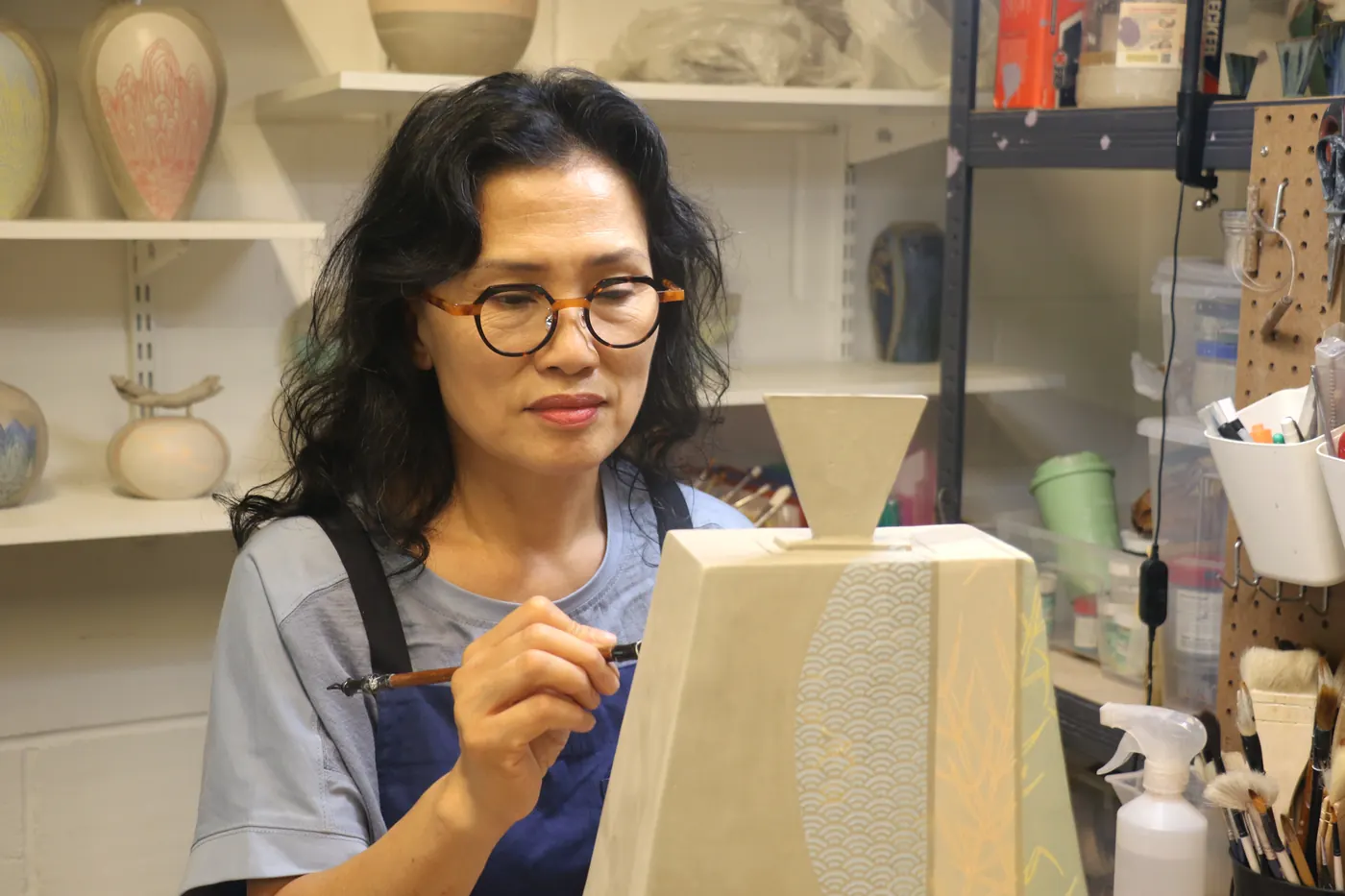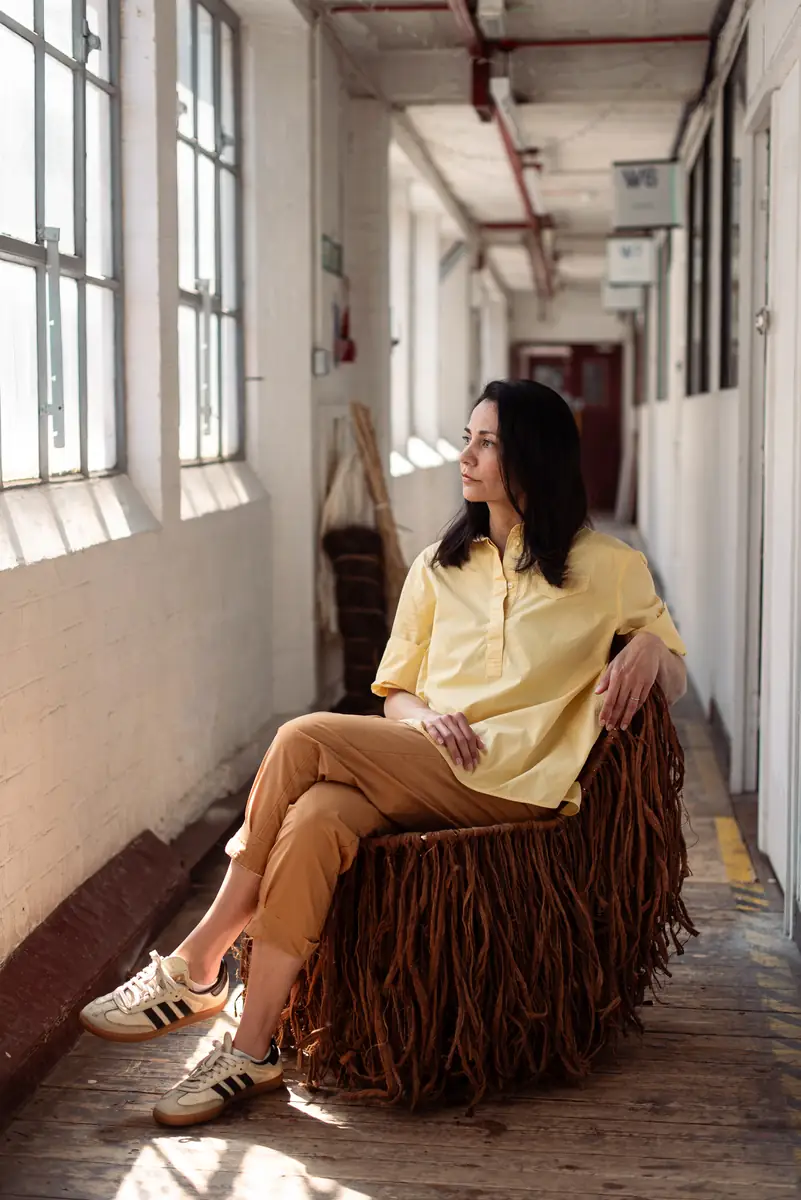
For about a decade the highest compliment a made thing could receive was that it looked like no hand had touched it. In 2026 the compliment has quietly reversed.
Walk the year's fairs and studios and the same instinct keeps surfacing: a renewed, almost relieved emphasis on the handmade, the material, the slow. Curators talk about embracing imperfection; collectors describe being refreshed by works where the artist's hand is plainly, unmistakably evident. Painting has gone deliberately rough; ceramics keep their throwing marks; furniture shows its joinery rather than hiding it. The wobble, the thumbprint, the slightly-off seam — for years the things a polished culture sanded away — have become the signature of value.
A rebellion against the frictionless
It is not hard to read why. We have spent years inside frictionless systems — images generated in a second, surfaces with no tool marks, objects with no author. Against that backdrop, evidence of effort reads as evidence of truth. A visible hand is proof that a specific person stood somewhere for a length of time and decided, over and over, what to do next. Imperfection is simply the fingerprint of that deciding.
An old idea, returning
None of this is new, of course. The Japanese kept a word for it — wabi-sabi — centuries before the design press rediscovered it; the leatherworker at his bench, the framebuilder brazing steel, the miniaturist grinding her own pigment have never stopped believing it. What is new is the size of the audience. The taste for the perfectly machine-smooth seems to have exhausted itself, and a culture is reaching, almost by reflex, back toward the warmth of the made.
The view from here
The visible hand will not stay fashionable forever; nothing does. But the appetite under the trend is durable, and worth keeping even after the fair stands come down. It is the simple preference for objects that remember being made — that carry, in their small refusals to be perfect, the trace of the person who refused. In a year of machines that make everything, the rarest luxury turns out to be a thing that was clearly, stubbornly, touched.